
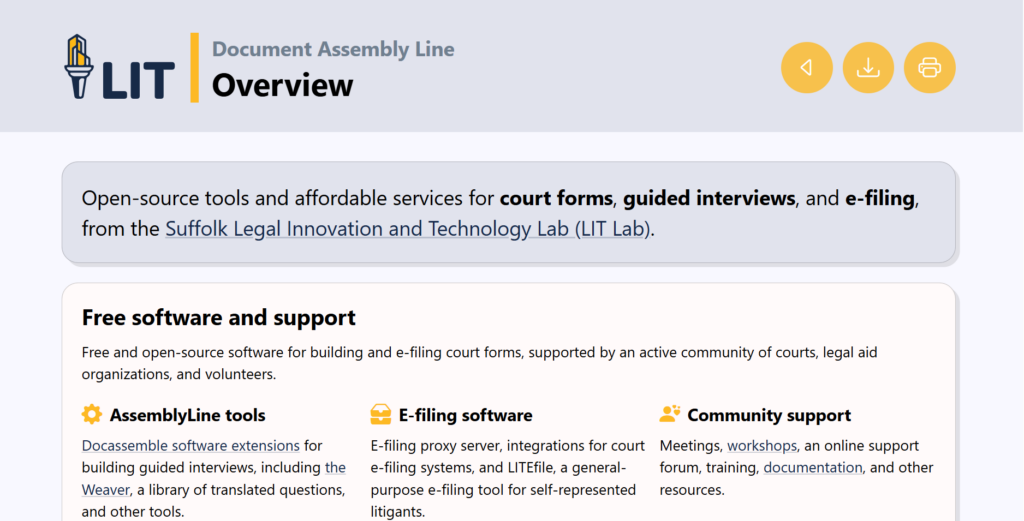
The Document Assembly Line, created by the Legal Innovation and Technology Lab (LIT Lab) at Suffolk University Law School, helps individuals build open-source access-to-justice tools and resources for court forms, online guided interviews, and e-filing. It provides affordable Docassemble hosting and e-filing tools for courts and legal aid organizations. The LIT Lab has also created free and open-source software for building and e-filing court forms, supported by an active community of courts, legal aid organizations, and volunteers such as:
In May 2025, an eviction sealing law went into effect in Massachusetts. Suffolk LIT Clinic students, in collaboration with the Massachusetts Trial Court, built an online guided interview tool. The tool makes it easy to complete a petition to seal an eviction and e-file it with the court. During the first week, more than 300 people completed the petition using the new guided interview. Learn more: https://suffolklitlab.org/eviction-sealing-tool-launched-with-massachusetts-trial-court/
“A well-designed form allows people to express themselves in a way the court can understand.”
—David Colarusso, Suffolk LIT Lab Co-Director

February 4, 2022
SJI awarded grant funding to the Supreme Court of Appeals of West Virginia (“Court”) to produce a jury orientation video for its unified court system. The video replaced a 30-year-old video featuring actor Raymond Burr. The Court drafted, produced, and disseminated a timeless video to be used during jury orientation to explain the basics of …
January 3, 2022
We have long known that family matters challenge a court system that assumes people will be represented by attorneys and that proceedings should be adversarial. The Cady Initiative for Family Justice Reform (formerly “Family Justice Initiative”) exists to guide courts towards improved outcomes for families, while managing costs and controlling delays. First funded by the …
December 1, 2021
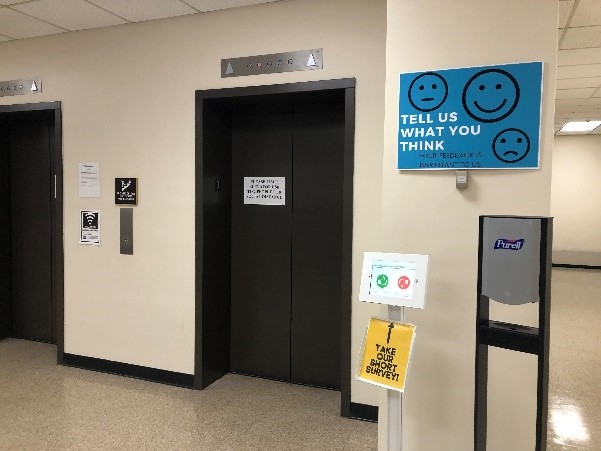
Twelve courts from around the country have completed a six-month pilot as part of LaGratta Consulting’s Court Voices Project, where they asked both court staff and court users for their feedback on courts’ pandemic responses. While most of the pilot courts had little to no experience collecting feedback from court users in the past, all …
November 1, 2021
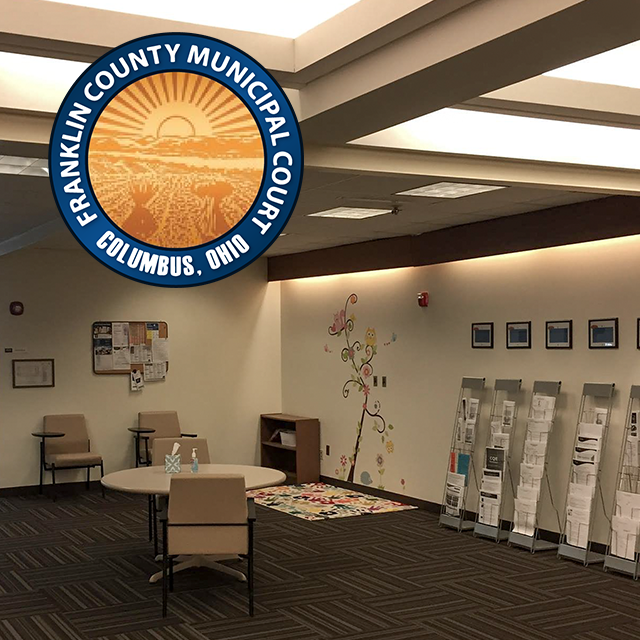
The Franklin County (Ohio) Municipal Court has a Self-Help Resource Center (the Center) which works daily to improve the quality of court filings filed by pro se litigants, increase access to the justice system for individuals who cannot afford attorneys, and provide a positive point of contact between the Court and the community. The Center …